

Translational & Clinical Research
Clinical and translational research studies are often led by clinician-investigators and scientists at academic institutions. This type of research is done to learn and understand more about gastroesophageal cancers and translate discoveries to patient care.
Actively Recruiting
Principal Investigators: Drs Elena Elimova and Jonathan Yeung
The purpose of this study is to see how useful it is to look for changes and characteristics in your genes (molecules that contain instructions for the development and functioning of the cells in your body) and the genes within the tumour. These characteristics may be useful in choosing treatments for patients in the future. Participants will be asked for their: clinical information related to the study, extra tissue to be taken for research during biopsies/surgeries, blood samples, and stool samples.
General Eligibility:
- Age ≥ 18 years old
- Must have a histological or suspected diagnosis of gastroesophageal adenocarcinoma
- Patients must have a primary and/or metastatic tumour lesion amenable to biopsy prior to starting systemic therapy
- Patients must be fit enough to safely undergo a tumour biopsy as judged by their oncologist
Principal Investigator: Dr Elena Elimova
The purpose of this study is to build a repository of biological samples and clinical and radiological data of gastroesophageal and endocrine cancer patients being seen at Princess Margaret Cancer Centre and to learn more about these types of cancers. This large registry will allow researchers to identify genetic mutations (changes) and learn about other biomarkers related to cancer; understand better what makes gastroesophageal and endocrine cancers grow and how patients do with treatment based on their tumour biology; and develop more targeted treatments.
General Eligibility:
- Age ≥ 18 years old
- Must have a histological or suspected diagnosis of gastroesophageal adenocarcinoma/squamous cell carcinoma or endocrine cancer
- Must not be actively enrolled on MOCHA
Principal Investigator: Dr Patrick Veit-Haibach
In this study, we will use a technology called PET-MR that combines a Positron Emission Tomography (PET) scan with Magnetic Resonance Imaging (MRI) scan. The PET-MR scan in this study is performed after the injection of a radiotracer (“dye” which is a substance that shows areas with lack of oxygen in your body), called 18F-Fluoroazomycin Arabinoside (FAZA). This “dye” has already been used in other patients with other conditions at UHN, however it is investigational in this setting. This study intends to identify some predictive scan markers (in FAZA PET/MR), such as lack of oxygen in in your tumor/metastases, that could account for this outcome and help doctors choose the best treatment option in specific cases.
General Eligibility:
- Age ≥ 18 years old
- Patients with de novo or secondary metastasized gastroesophageal cancer (adenocarcinoma)
- No allergy to contrast agents
Principal Investigator: Dr Elliot Wakeam
This study studies the incidence of iron deficiency anemia across the continuum of care in adult patients undergoing treatment for esophageal cancer.
General Eligibility:
- Age ≥ 18 years old
- Diagnosed with esophageal cancer and gastroesophageal junction cancer who are scheduled to undergo treatment including surgery, radiation therapy, chemotherapy, or any combination of these modalities
Principal Investigators: Drs Philippe Bedard and Benjamin Haibe-Kains
OCTANE tests archival tumor samples (previously collected biopsy or surgical tumor samples) to provide biomarker data about a patient’s cancer. This information may help physicians in guiding the use of approved treatments that may benefit their patient as well as identifying which clinical trials of new drug treatments may be most appropriate for the patient in the future. This study is offered at multiple sites across Ontario.
Principal Investigator: Dr Elena Elimova
This study will aim to investigate the relationship and the differences between the gut microbiome and GE cancer by using healthy individuals living in the same environment as the GE cancer patient to compare the microbial species. This could potentially be a helpful diagnostic and therapeutic tool for GE cancers.
General Eligibility:
- Age ≥ 18 years old
- Non-patient, living full time in the same home for a minimum of 1 year consecutively, with a patient diagnosed with GE cancer
- Participant’s household member with GE cancer has donated or is donating stool under another respective study protocol (MOCHA or GEAR)
Principal Investigator: Dr Karineh Kazazian
Principal Investigator: Dr Karineh Kazazian
This is a study looking to evaluate the molecular characteristics, immune profile, epidemiological, radiological, and corresponding clinical data of gastrointestinal cancers (gastric, colorectal, and small bowel).
General Eligibility:
- Age >=18
- Undergoing a curative-intent resection or biopsy of gastric, colorectal, or small bowel cancer
Clinical Trials
Clinical trials are research studies that study the safety and efficacy of a new intervention (example, drug, device, procedure) in human participants.
Please ask your medical oncologist about clinical trials and whether you are eligible for any active trials at Princess Margaret or other cancer centres.
Actively Recruiting
Referral from your oncologist is required.
First Line Trials
Full Title: A Randomized, Phase Ⅲ Study of Rilvegostomig in Combination with Fluoropyrimidine and Trastuzumab Deruxtecan versus Trastuzumab, Chemotherapy, and Pembrolizumab for the First-line Treatment of HER2-positive Gastric Cancer
Principal Investigator: Dr Elena Elimova
Treatment Line: First Line (1L)
Full Title: A Multicenter, Randomized, Open-Label, Phase 3 Trial of Trastuzumab Deruxtecan (Enhertu®) Plus Chemotherapy Plus or Minus Pembrolizumab versus Chemotherapy Plus Trastuzumab Plus or Minus Pembrolizumab as First-line Treatment in Participants with Unresectable, Locally Advanced or Metastatic HER2-positive Gastric or Gastroesophageal
Junction (GEJ) Cancer
Principal Investigator: Dr Elena Elimova
Treatment Line: First Line (1L)
Full Title: A Phase III, Multicentre, Randomised Controlled Study of Sonesitatug Vedotin in Combination With Capecitabine With or Without Rilvegostomig in First-Line Claudin18.2-Positive, HER2-Negative, Advanced/Metastatic Gastric, Gastroesophageal Junction, or Esophageal Adenocarcinoma
Principal Investigator: Dr Elena Elimova
Treatment Line: 1L
Full Title: A Blinded, Randomized, Phase 2/3 Study of Pumitamig in Combination With Chemotherapy Versus Nivolumab in Combination With Chemotherapy in Participants With Previously Untreated Advanced or Metastatic Gastric, Gastroesophageal Junction, or Esophageal Adenocarcinoma
Principal Investigator: Dr Elena Elimova
Treatment Line: 1L
Second or Later Line Trials
Any Line Trials
Full Title: Chemoimmunotherapy followed by Surgery for Oligometastatic Esophageal and Gastric Cancer
Principal Investigator: Dr Elliot Wakeam
The purpose is to evaluate the overall survival outcomes for patients undergoing systemic treatment, primarily with chemoimmunotherapy, followed by surgery in patients with oligometastatic esophageal and GEJ cancer.
General Eligibility:
- Age >18 and <80 years old
- Adenocarcinoma or squamous cell carcinoma of the esophagus or EGJ (type I, II and III according to Siewert classification of esophagogastric adenocarcinoma)
- A resectable primary tumor in combination with oligometastatic disease at the time of enrollment
Definitive/Curative Intent Trials
Full Title: Neoadjuvant Chemoradiotherapy and Surgery for Esophageal Squamous Cell Carcinoma Versus Definitive Chemoradiotherapy With Salvage Surgery as Needed
Principal Investigator: Dr Jelena Lukovic
Treatment Line: Definitive/Curative
This is an international phase III open-label randomized study designed to compare outcomes after chemotherapy and radiotherapy followed by surgery with definitive chemotherapy and radiotherapy with surveillance in esophageal cancer patients and, if necessary, surgery to remove the remaining parts of a tumour, known as “salvage esophagectomy”. The trial also aims to determine if health-related quality of life is superior by avoiding esophagectomy in a proportion of patients.
Full Title: AACR ADAPTIVE BIOMARKER-DRIVEN ORGAN PRESERVATION TRIAL IN GASTROESOPHAGEAL ADENOCARCINOMAS (Stage I)
Principal Investigator: Dr Elena Elimova
Treatment Line: Definitive/Curative
This is a two-stage, prospective, multi-center, perioperative biomarker driven open-label study. The trial design consists of a screening phase (Stage I) and testing phase (Stage II). The goal is to preserve the organ of cancer-origin by eliminating surgery in as many localized gastroesophageal adenocarcinoma (gastric and esophageal adenocarcinomas; GEA) patients as possible through a unique biomarker-driven adaptive platform approach.
The HER2 arm of the study is now active.
Publications and Highlights From Our Team
Ramucirumab and paclitaxel in second or greater lines of therapy in patients with HER2-positive gastroesophageal cancer: a single center study
Oncologist. 2025 Mar 10;30(3):oyaf037. doi: 10.1093/oncolo/oyaf037. PMID: 40152313; PMCID: PMC11950916.
Bach Y, Sharma D, Aoyama H, Ma LX, Barron CC, Wang X, Akhtar S, Yang Y, St Bernard A, McLaughlin R, Megid TBC, Farooq AR, Chen EX, Jang RWJ, Elimova E.
Association Between Pre‐Diagnostic Delay and Survival Among Patients With Esophageal and Gastric Cancer Treated With Curative Intent During the COVID19 Pandemic
Cancer Med. 2025 May;14(9):e70939. doi: 10.1002/cam4.70939. PMID: 40347058; PMCID: PMC12062865.
Wang X, Bach Y, Lajkosz K, Espin-Garcia O, Aoyama H, Wang M, McLaughlin R, Ma L, Barron C, Rehman FA, Chen EX, Yeung JC, Swallow CJ, Brar S, Wong R, Mesci A, Kim J, Veit-Haibach P, Kalimuthu S, Jang RW, Elimova E.

Management of Complications After Esophagectomy
Thoracic Surgery Clinics, 2020-08-01, Volume 30, Issue 3, Pages 359-366, Copyright © 2020 Elsevier Inc.
Jonathan C. Yeung MD, PhD, FRCSC

Elimination of Routine Feeding Jejunostomy After Esophagectomy
Annals of Thoracic Surgery, 2020-11-01, Volume 110, Issue 5, Pages 1706-1713, Copyright © 2020 The Society of Thoracic Surgeons
Paul A. Carroll MD, Jonathan C. Yeung MD, PhD and Gail E. Darling MD

Towards personalized induction therapy for esophageal adenocarcinoma: organoids derived from endoscopic biopsy recapitulate the pre-treatment tumor
Sci Rep 10, 14514 (2020)
Derouet, M.F., Allen, J., Wilson, G.W. et al.

Gastro-Esophageal Cancer: Can Radiomic Parameters from Baseline 18F-FDG-PET/CT Predict the Development of Distant Metastatic Disease?
Diagnostics (Basel). 2024 Jun 6
Hinzpeter R, Mirshahvalad SA, Kulanthaivelu R, Kohan A, Ortega C, Metser U, Liu A, Farag A, Elimova E, Wong RKS, Yeung J, Jang RW, Veit-Haibach P.

Combined 18 F-FDG PET/CT Radiomics and Sarcopenia Score in Predicting Relapse-Free Survival and Overall Survival in Patients With Esophagogastric Cancer
Clin Nucl Med. 2022 Aug 1
Anconina R, Ortega C, Metser U, Liu ZA, Elimova E, Allen M, Darling GE, Wong R, Taylor K, Yeung J, Chen EX, Swallow CJ, Jang RW, Veit-Haibach P.

Influence of sarcopenia, clinical data, and 2-[18F] FDG PET/CT in outcome prediction of patients with early-stage adenocarcinoma esophageal cancer
Eur J Nucl Med Mol Imaging. 2022 Feb
Anconina R, Ortega C, Metser U, Liu ZA, Suzuki C, McInnis M, Darling GE, Wong R, Taylor K, Yeung J, Chen EX, Swallow CJ, Bajwa J, Jang RW, Elimova E, Veit-Haibach P.
Chemoradiotherapy Using Carboplatin plus Paclitaxel versus Cisplatin plus Fluorouracil for Esophageal or Gastroesophageal Junction Cancer
Oncology. 2021
Jiang DM, Sim HW, Espin-Garcia O, Chan BA, Natori A, Lim CH, Moignard S, Chen EX, Liu G, Darling G, Swallow CJ, Brar S, Brierley J, Ringash J, Wong R, Kim J, Rogalla P, Hafezi-Bakhtiari S, Knox JJ, Jang RW, Elimova E.
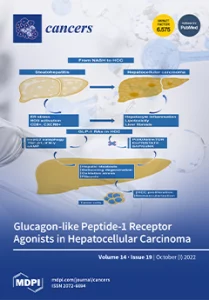
Prognostic Value of [18F]-FDG PET/CT Radiomics Combined with Sarcopenia Status among Patients with Advanced Gastroesophageal Cancer
Cancers (Basel). 2022 Oct 28
Hinzpeter R, Mirshahvalad SA, Kulanthaivelu R, Ortega C, Metser U, Liu ZA, Elimova E, Wong RKS, Yeung J, Jang RW, Veit-Haibach P.
Surveillance and outcomes after curative resection for gastroesophageal adenocarcinoma
Cancer Med. 2020 May
Jiang DM, Suzuki C, Espin-Garcia O, Lim CH, Ma LX, Sun P, Sim HW, Natori A, Chan BA, Moignard S, Chen EX, Liu G, Swallow CJ, Darling GE, Wong R, Jang RW, Elimova E.
First impressions: A prospective evaluation of patient-physician concordance and satisfaction following the initial medical oncology consultation
Epub 2023 Dec 8
Bach Y, Panov E, Espin-Garcia O, Chen E, Krzyzanowska M, O’Kane G, Moore M, Prince RM, Knox J, Grant R, Ma LX, Allen MJ, Eng L, Kosyachkova E, Megid TBC, Barron C, Wang X, Saltiel MP, Farooq ARR, Jang RW, Elimova E.

Combination of clinical, radiomic, and “delta” radiomic features in survival prediction of metastatic gastroesophageal adenocarcinoma
Front Oncol. 2023 Aug 14
Krishna S, Sertic A, Liu ZA, Liu Z, Darling GE, Yeung J, Wong R, Chen EX, Kalimuthu S, Allen MJ, Suzuki C, Panov E, Ma LX, Bach Y, Jang RW, Swallow CJ, Brar S, Elimova E, Veit-Haibach P.
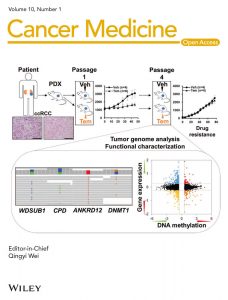
Prognostic significance of nutritional markers in metastatic gastric and esophageal adenocarcinoma
Cancer Med. 2021 Jan
Ma LX, Taylor K, Espin-Garcia O, Anconina R, Suzuki C, Allen MJ, Honorio M, Bach Y, Allison F, Chen EX, Brar S, Swallow CJ, Yeung J, Darling GE, Wong R, Kalimuthu SN, Jang RW, Veit-Haibach P, Elimova E.

Comparison of Four Clinical Prognostic Scores in Patients with Advanced Gastric and Esophageal Cancer
Oncologist. 2023 Mar 17
Ma LX, Espin-Garcia O, Bach Y, Aoyama H, Allen MJ, Wang X, Darling GE, Yeung J, Swallow CJ, Brar S, Veit-Haibach P, Kalimuthu S, Wong R, Chen EX, O’Kane GM, Jang RW, Elimova E.ncologist. 2023 Mar 17
Impact of Sites of Metastatic Dissemination on Survival in Advanced Gastroesophageal Adenocarcinoma
Oncology. 2022
Wang X, Espin-Garcia O, Jiang DM, Allen MJ, Ma LX, Bach Y, Chen EX, Darling G, Yeung JC, Wong RKS, Veit-Haibach P, Kalimuthu S, Jang RW, Elimova E.

Integrating Patient-Reported Outcomes Into Prognostication in Gastroesophageal Cancer: Results of a Population-Based Retrospective Cohort Analysis
Oncologist. 2024 Apr 4
Baccili Cury Megid T, Sharma D, Baskurt Z, Xiaolu Ma L, Wang X, Barron CC, Jang RW, Chen EX, Swallow CJ, Mesci A, Yeung J, Wong RKS, Brar SS, Veit-Haibach P, Kim J, Bach Y, Aoyama H, Elimova EOncologist. 2024 Apr 4
Outcomes in older adults with metastatic esophageal and gastric carcinoma treated with palliative chemotherapy
Oncologist. 2024 Nov 4
Wang X, Allen MJ, Espin-Garcia O, Suzuiki C, Bach Y, Panov E, Ma LX, Jang RW, Chen EX, Darling GE, Yeung J, Swallow CJ, Brar SS, Kalimuthu S, Wong R, Veit-Haibach P, Elimova E.

Leptomeningeal carcinomatosis and brain metastases in gastroesophageal carcinoma: a real-world analysis of clinical and pathologic characteristics and outcomes
J Neurooncol. 2024 Mar
Baccili Cury Megid T, Baskurt Z, Ma LX, Barron CC, Farooq A, Saltiel MP, Wang X, Bach Y, Ayoama H, Jang RW, Chen E, Veit-Haibach P, Wang B, Kalimuthu S, Cotton J, Wong R, Mesci A, Elimova E.

Patient-derived organoids for prediction of treatment response in oesophageal adenocarcinoma
Br J Surg. 2024 Jan 3
Bolger JC, Allen J, Radulovich N, Ng C, Derouet M, Shathasivam P, Wilson GW, Tsao MS, Elimova E, Darling GE, Yeung JC.